

Security as an Enabler, Not a Blocker
Digital transformation without security is like building a skyscraper without foundations – it may look impressive, but it’s fragile. Too often, organisations treat security as an afterthought, bolted on at the end of a project. The result? Delays, rework, and exposure to vulnerabilities.
Modern security architecture flips this model. By embedding security into every stage of change, it accelerates transformation instead of slowing it down. From day one, security becomes an enabler of speed, trust, and resilience – rather than being seen as a blocker.
The Role of Security Architecture in Transformation
Security architecture serves as the bridge between business strategy and technology execution. Done right, it ensures that:
- Business goals align with secure technology design.
- Guardrails replace roadblocks.
- Cloud, AI, and digital platforms are secure by design.
- Security is reframed in business terms – seen as a partner, not a hurdle.
By embedding security into transformation initiatives, organisations reduce risk while enabling innovation. For highly regulated industries such as healthcare, government, and finance, this is not just beneficial – it’s essential.
Embedding Security into the Transformation Process
Security cannot be reserved for the final phase of delivery—it must be woven into every stage of the lifecycle.
Best practice involves:

Early Engagement
Involve security architects from requirements gathering, not post-deployment.

Reference Architectures
Leverage proven security patterns for cloud, data, and identity to move faster with confidence.

Zero Trust Principles
Apply identity-first, least privilege, and continuous validation consistently.

Automation
Integrate compliance-as-code and automated vulnerability scans into DevOps pipelines, reducing the risk of human error.
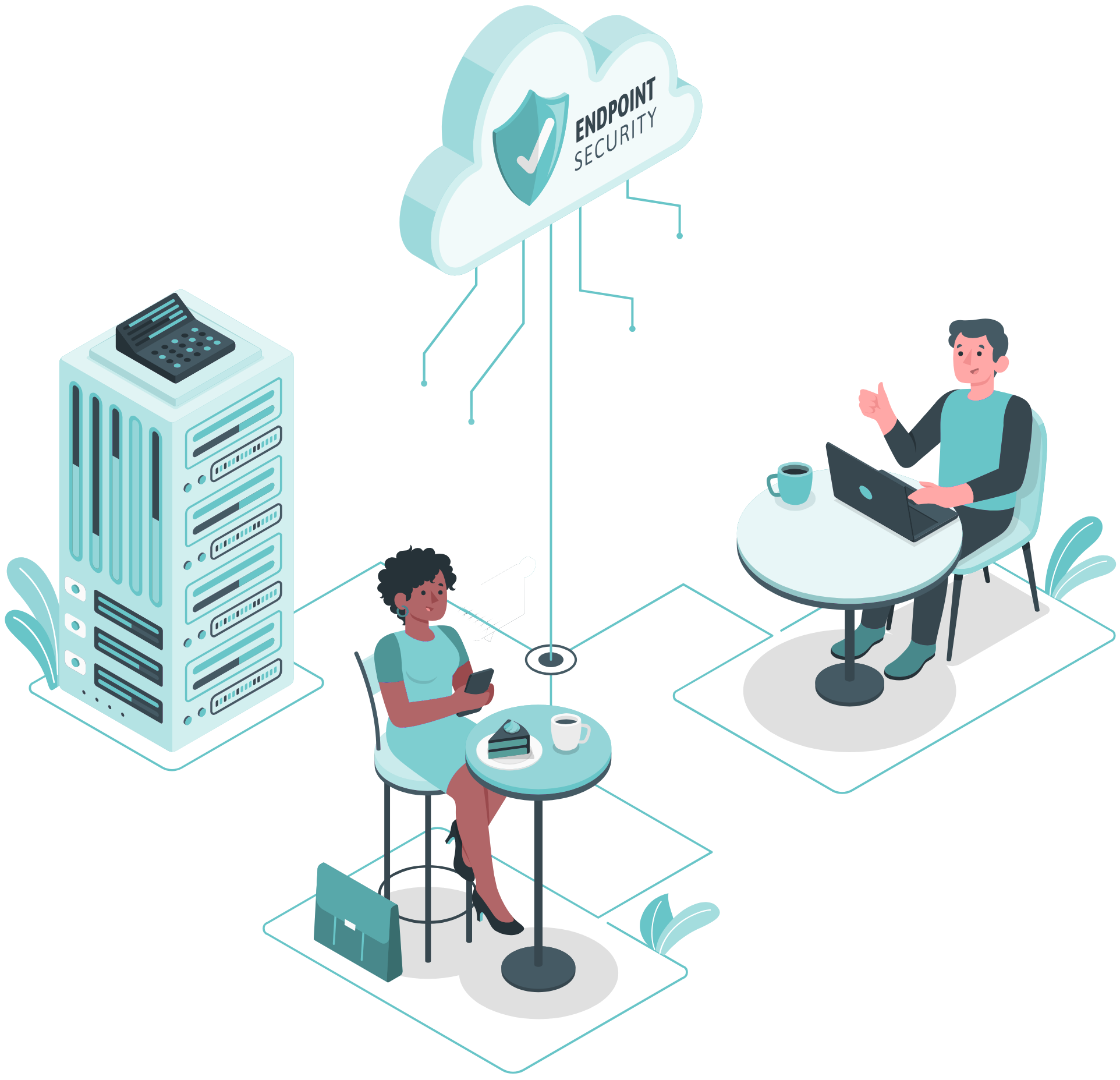
This proactive approach ensures that transformation projects progress smoothly, without costly rework or compliance setbacks.
From “Department of No” to “Department of Know”
The perception of security within organisations is often negative – occasionally seen as a department that slows things down with red tape. But when security teams translate risks into business language, they reposition themselves as essential partners in improving operations.
Security becomes a driver of growth when it:
- Translates risks into measurable business impacts (e.g. downtime can equate to lost revenue).
- Positions trust, compliance, and resilience as competitive differentiators.
- Accelerates transformation by enabling faster adoption of cloud and AI services through pre-approved guardrails.
When reframed in this way, security earns its place at the strategy table.
Making Security Architecture a Transformation Partner
Embedding security at the heart of transformation requires both cultural and practical shifts. Key actions include:
- Building security champions within development and operations teams.
- Establishing architectural review boards with security as a core participant.
- Documenting and sharing secure patterns (e.g. landing zones, IAM, encryption standards).
- Using continuous assurance tools to maintain effectiveness over time, rather than relying on one-off audits.
These measures help organisations operationalise security so that it becomes second nature, not an afterthought.
The Future of Security Architecture
Security architecture is evolving in step with technology and business needs. Emerging trends include:

AI-driven Design-time Risk Assessment
Reducing reliance on manual reviews and enabling faster project delivery.

Continuous Assurance
Replacing outdated, point-in-time reviews with automated, ongoing validation.

Business Translators
Security architects increasingly act as liaisons between risk, compliance, and innovation, ensuring technology investments deliver value while remaining protected.
This shift means security will no longer be siloed – it will be fully embedded across the organisation, enabling businesses to transform faster while staying resilient.